All 6 Core Products
A unified Business Operating System designed for companies that refuse to outgrow their software.

A unified Business Operating System designed for companies that refuse to outgrow their software.
Autonomous stock control ledger with RFID integration and real-time ledger updates.
We know exactly what every product costs to make, and we provide real-time insights into production staging and shop floor analytics.
Automated journal postings from sales, inventory dispatches, and 1-click GST filing.
Uncapped capabilities and unlimited users with clear licensing tiers.
Guaranteed zero-downtime database import of legacy accounting and ledger details.
Read-only enterprise accounting access designed for secure compliance auditing.
Key architectural shifts in mid-market ERP: event-driven ledgers, automated three-way matching, continuous GL sync, and replacing batch jobs with real-time operational streams.
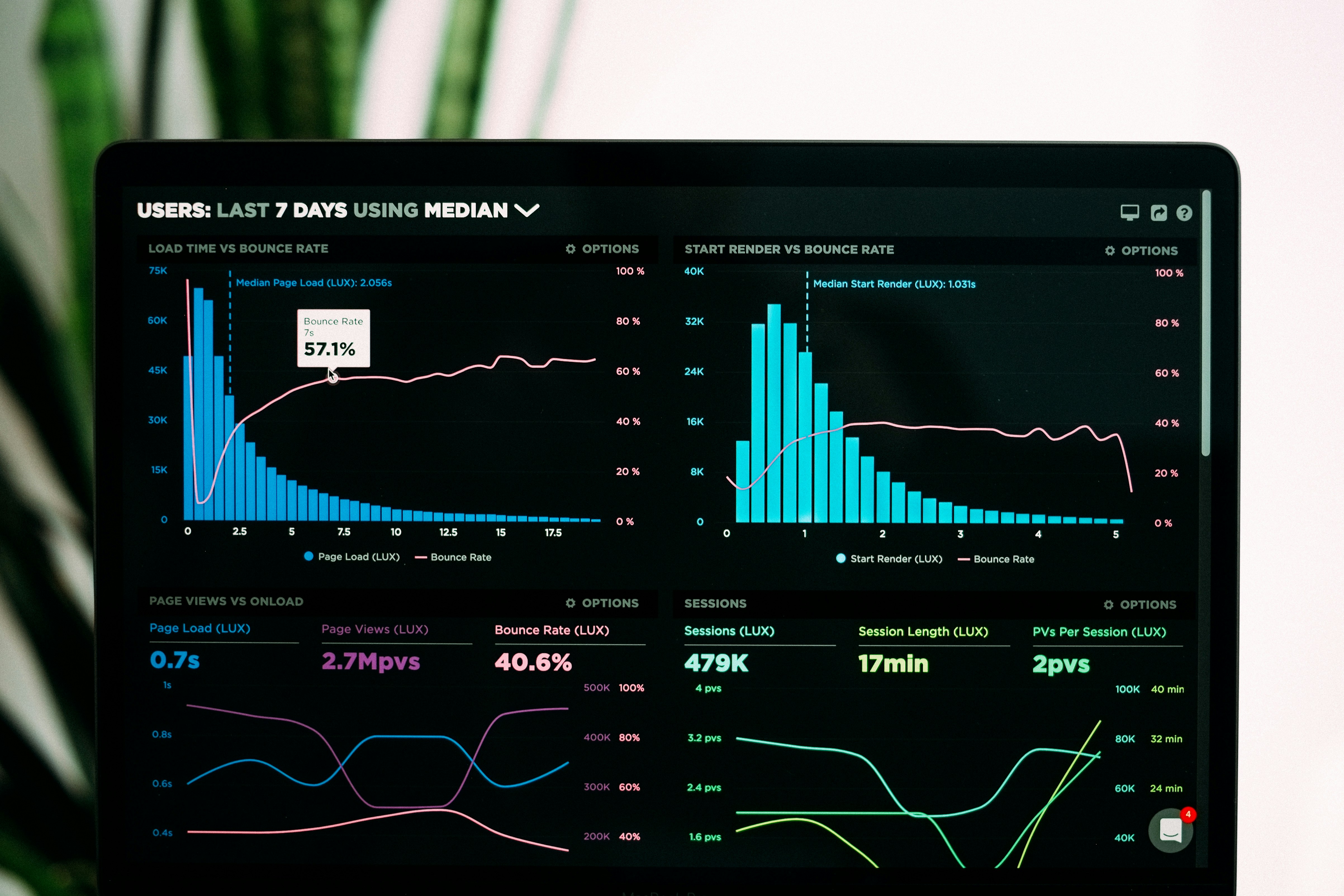
Enterprise Resource Planning (ERP) systems are undergoing an architectural transformation. Historically, legacy ERP deployments functioned as passive historical databases—storage systems populated days or weeks after physical operations occurred. In high-velocity mid-market environments, this latency is unacceptable. Modern ERP architectures are event-driven: every warehouse barcode scan, manufacturing work-order status change, and point-of-sale checkout immediately writes to the universal ledger.
The traditional "month-end close" is a symptom of fragmented software stacks where financial transactions must be manually reconciled against external bank files, warehouse counts, and billing records. Modern systems enable continuous accounting. By enforcing sub-second General Ledger convergence at the moment of invoice generation or inventory dispatch, CFOs and controllers maintain real-time visibility into trailing accounts receivable velocity, cash flow burn, and gross margin variances without waiting for monthly reconciliations.
Accounts payable workflows have transitioned from manual spreadsheet verification to automated three-way matching. The ERP system cross-references the Purchase Order (PO), Goods Received Note (GRN), and Vendor Tax Invoice programmatically. If line-item quantities, tax rates, and prices align within pre-configured tolerance thresholds, the voucher is approved and scheduled for payment. Variances trigger immediate exception routing to procurement managers, preventing duplicate payments and invoice fraud.
Mid-market enterprises are rejecting multi-year, multi-crore monolithic implementations in favor of modular platforms. Rather than maintaining custom webhook integrations across separate CRM, WMS, and accounting packages, organizations deploy cohesive platforms where discrete modules share a single database schema and unified security model. OrynBiz Business OS is built around this architectural philosophy, providing mid-market companies with enterprise-grade operational speed without the complexity of legacy ERP giants.
The OrynBiz editorial team provides deep-dives on ERP database design, supply chain automation, and enterprise operations for growing businesses.
How zone-based wave picking, FIFO/FEFO expiration enforcement, and sub-100ms wireless barcode verification prevent warehouse mis-picks in high-SKU distribution centers.
Managing multi-stage Bills of Materials, scrap yield variance tracking, and GST Annexure-II job-work challans without disconnected factory spreadsheets.
How enterprise ERP architectures generate instant IRN QR codes, automate NIC portal failover queueing, and eliminate dispatch bottlenecks during high-volume billing.
Eliminate siloed tools and spreadsheets. Experience the speed, continuous GL sync, and autonomous intelligence of OrynBiz.